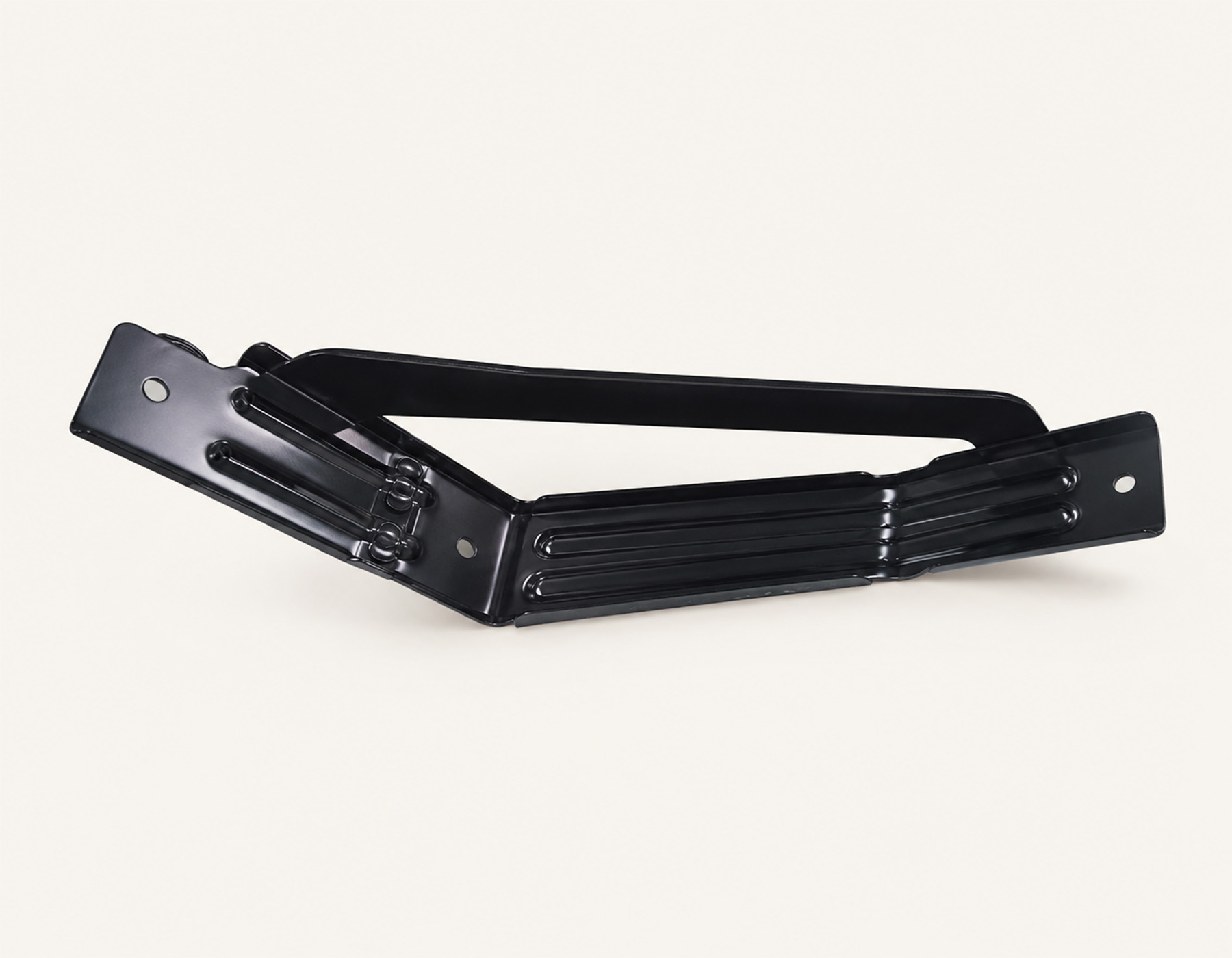
Precision-cut, formed, welded and finished sheet metal parts for prototypes and low-volume production.
Upload Drawings for Quote
From flat sheet cutting to finished assemblies, ENSI supports complete sheet metal fabrication for prototypes and low-volume production.
Precise cutting for panels, brackets, covers, enclosures and complex flat profiles.
Controlled forming of flanges, channels, boxes and structural sheet metal components.
Welding and assembly support for multi-part enclosures, frames, brackets and finished structures.
Powder coating, spray painting, brushing and polishing for functional and cosmetic requirements.
Material and finish selections are reviewed according to part geometry, forming, function and production requirements.
Material thickness, finish and color requirements are confirmed during drawing review.
Each fabrication project is reviewed against material, thickness, forming, welding, finishing and inspection requirements before production begins.
| Cutting Capability | Laser cutting for panels, brackets, covers and complex flat profiles |
| Maximum Part Size | Confirmed after drawing review |
| Available Thickness Range | Confirmed per material during drawing review |
| Bend Capability | Press-brake bending and forming, reviewed against geometry and thickness |
| Welding Support | TIG and MIG welding, weld dressing, and multi-part assembly |
| Finishing Support | Powder coating, spray painting, brushing, polishing, deburring and plating |
| Typical Tolerance | Confirmed feature by feature during drawing review |
| Inspection Method | Critical dimensions checked during production and before shipment |
Cutting envelope, thickness range and achievable tolerance depend on material and geometry — each is reviewed and confirmed individually during drawing review.
Drawings are reviewed before production to identify cutting, forming, welding and finishing risks.
Confirm the material grade and sheet thickness — both drive bend radius, forming behavior and cost.
Inside bend radii depend on material and thickness; very sharp bends may need a design change.
Identify bend orientation where strength or visible surfaces are affected.
Holes and cutouts placed too close to a bend can distort during forming.
Internal corners, notches and reliefs are reviewed for cutting and forming feasibility.
Joint access, weld type and weld finish should be identified on the drawing.
Mating parts, hardware and fit-critical interfaces are reviewed as one assembly.
Identify the dimensions that matter functionally so forming and inspection focus where it counts.
Flag visible faces and brushing direction so handling and finishing protect them.
Specify coating type, color, and any areas or threads that must stay uncoated.
Provide both a 3D CAD model and a 2D drawing when the project includes critical dimensions, welding, or finish requirements.
Send Drawings for ReviewFrom drawing review to final delivery, every fabricated part follows a controlled process across cutting, forming, welding and finishing.
Start your projectSend CAD files or DXF profiles with material, thickness, quantity and finish requirements.
Cutting, forming, welding and finishing requirements are checked against the drawing.
Material, forming, welding and finish requirements are confirmed before production begins.
Parts are cut, formed, welded and finished with critical steps controlled throughout.
Dimensions and surfaces are verified, then parts are packed and shipped securely.
Laser cutting, bending and forming, welding and assembly, plus finishing including powder coating, spray painting, brushing and polishing — from flat blanks to finished assemblies.
Aluminum, stainless steel, mild steel, galvanized steel, copper and brass. Specific grades and thickness availability are confirmed during drawing review.
Yes. TIG and MIG welding for enclosures, frames and brackets — sealed, stitched or cosmetic as the drawing requires — plus multi-part assembly before shipment.
As-fabricated, deburring, brushing, polishing, powder coating, spray painting and plating. Color, coating type and masking are confirmed at quotation.
Achievable tolerance depends on material, thickness and forming complexity. Critical dimensions are reviewed and confirmed feature by feature during drawing review.
Yes. Single-piece prototypes, pilot builds and low-volume batches run through the same controlled fabrication process.
Critical dimensions and surface requirements are checked during production and before shipment, against the approved drawing.
STEP or DXF files work best, along with a PDF drawing showing material, thickness, tolerances, welding and finish requirements.
Upload your drawings for material, forming, welding, tolerance and finishing review.